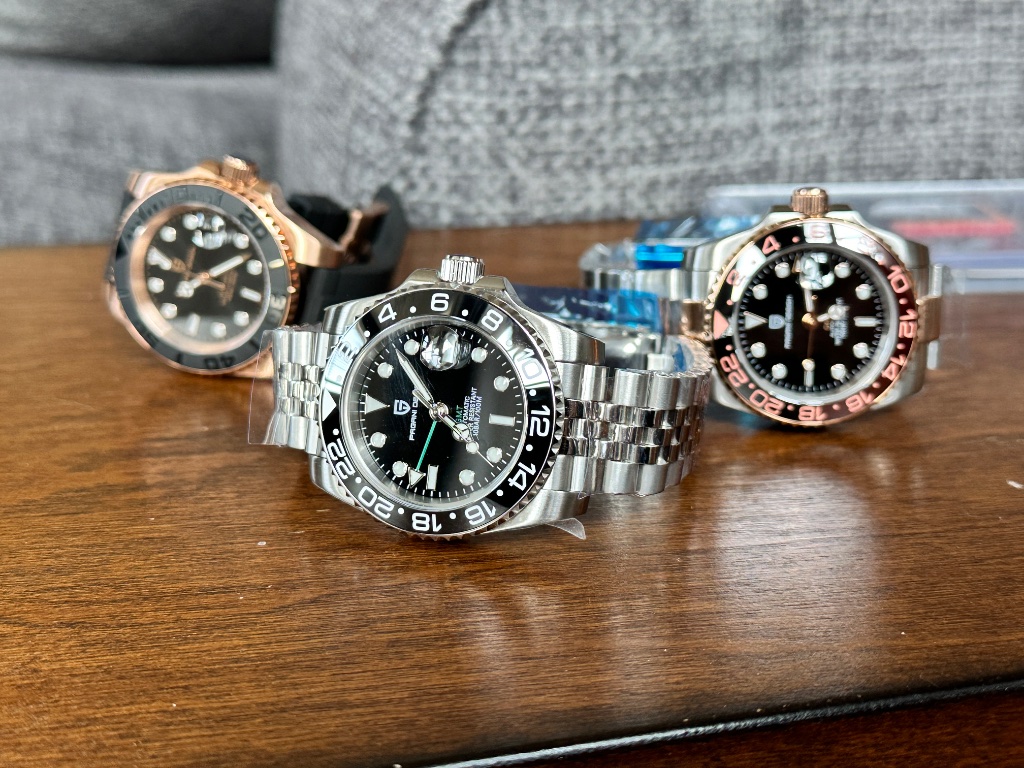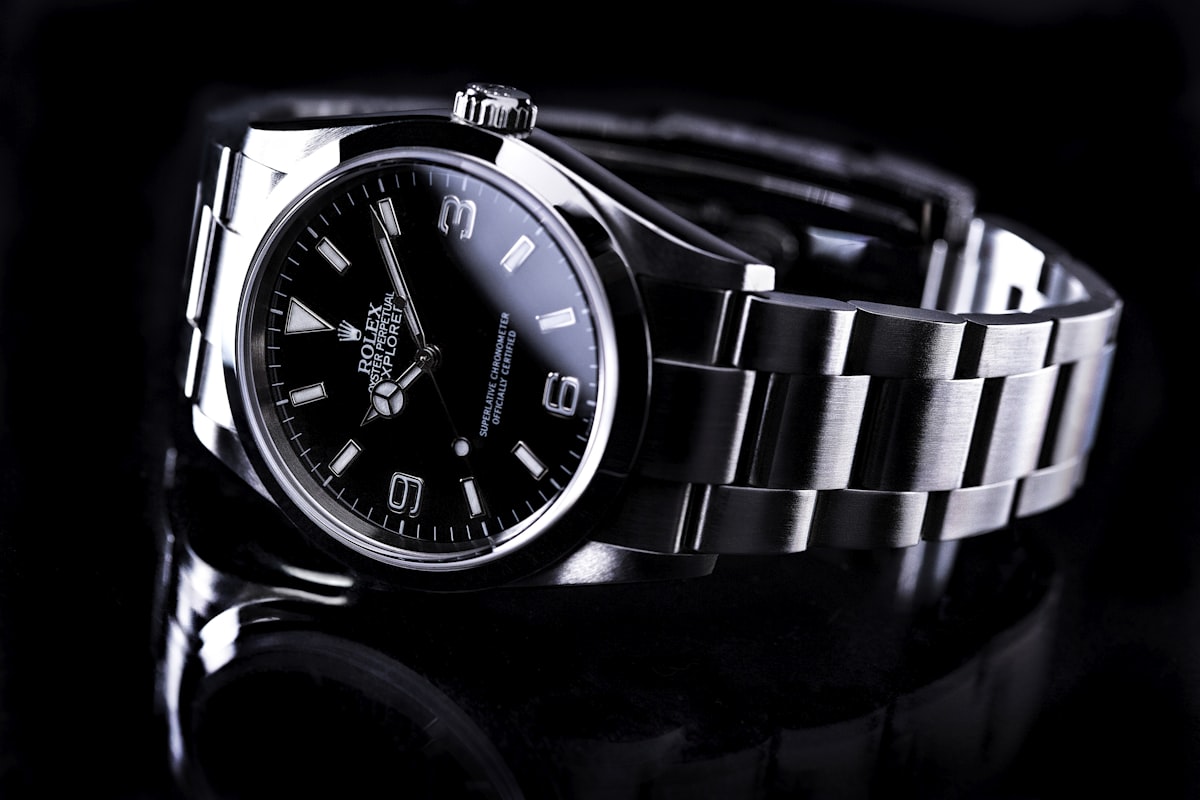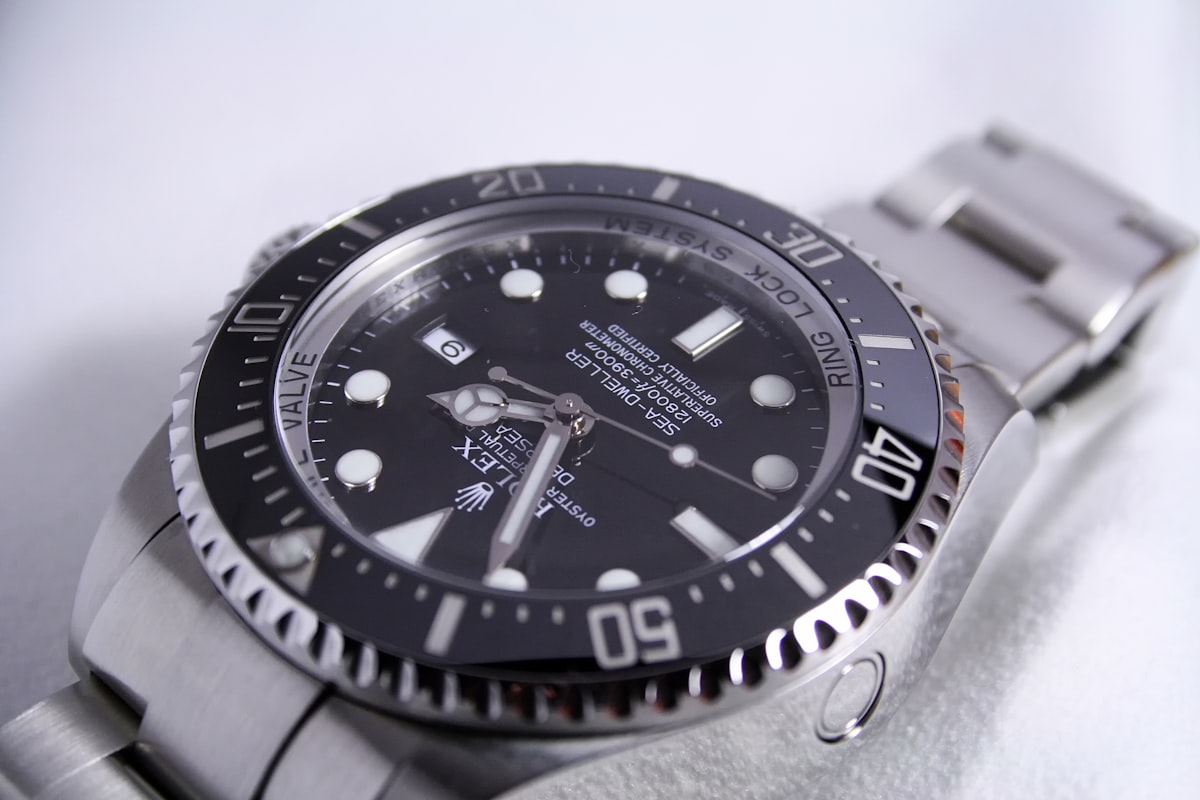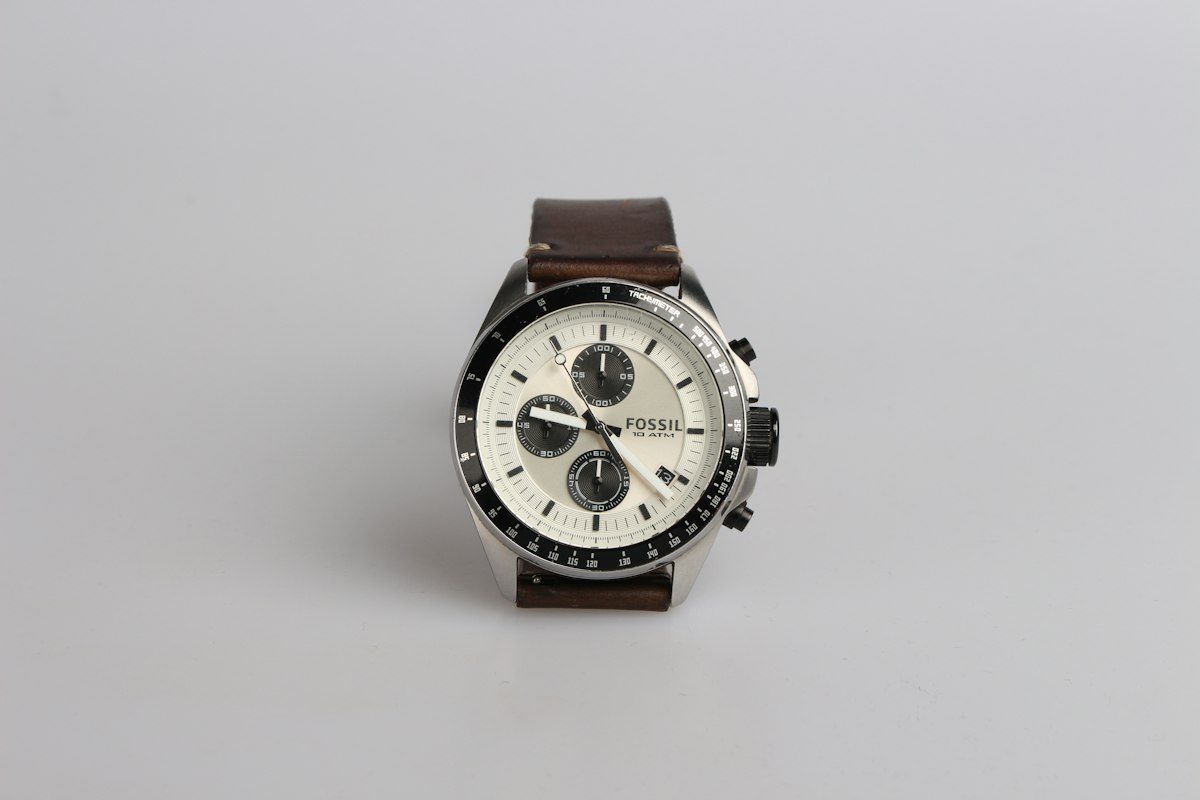

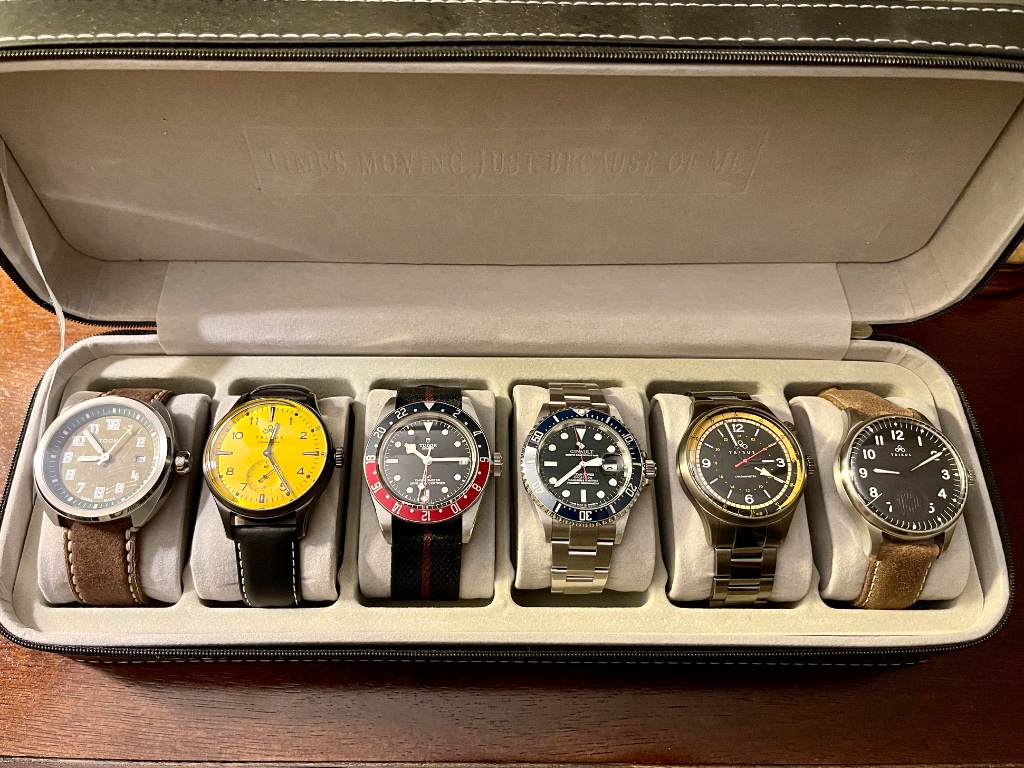

A great watch collection is rarely built in a straight line. It grows through curiosity, a few mistakes, moments of obsession, and the gradual sharpening of taste. For some collectors, it begins with a practical Seiko 5 or a Hamilton Khaki Field. For others, it starts with a family heirloom, a first mechanical watch bought to mark a milestone, or an unexpected fascination with a dial color that would not leave their mind.
What matters most is not how expensive the watches are, or how quickly the box fills up. The most compelling collections have something more elusive: character. They reflect the personality of the owner, a point of view about design and craftsmanship, and a genuine relationship with the objects themselves.
Collecting Beyond the Checklist
In the early stages, many enthusiasts collect by category. A diver, a field watch, a GMT, a dress piece. This is a natural way to learn the landscape, and there is real pleasure in understanding the classics. You might move from a Citizen Promaster to a Seiko Prospex, compare the virtues of the Hamilton Khaki Mechanical against a Baltic HMS, or discover why the Farer GMT line has such a loyal following.
But the most satisfying collections eventually move beyond the checklist. Rather than asking, “Do I have one of everything?” the better question becomes, “Why does this watch deserve space in my collection?”
Sometimes the answer is technical. A watch with an ETA 2824, Sellita SW200, or Miyota 9039 may appeal because it is reliable, serviceable, and honest about its purpose. Sometimes it is emotional. A hand-wound watch slows you down. A sector dial recalls a different era. A titanium case changes how a watch disappears on the wrist. Character often lives in these details.
Learning Your Taste Takes Time
One of the great truths of collecting is that taste is not fixed; it is trained. A beginner may be drawn first to specification sheets: water resistance, power reserve, lume performance, movement origin. All of that matters. Yet over time, many collectors find themselves caring just as much about proportion, finishing, typography, bracelet articulation, and the quality of a handset.
This is where trying many watches on the wrist becomes invaluable. A 40mm case can wear elegantly or clumsily. A highly praised watch may leave you cold, while an overlooked reference suddenly feels perfect. Formex is a strong example of a brand that often wins people over in person. On paper, its engineering and case construction stand out; on the wrist, the refinement becomes more obvious. The same can be said for brands like NEUTRA or Mitch Mason, where design coherence can matter more than raw specs.
Experienced collectors understand that the best purchases often happen after the initial rush passes. If a watch still occupies your thoughts weeks later, there may be something real there. Patience is not just financially wise; it helps separate lasting interest from momentary novelty.
The Value of Variety—and Restraint
A collection with lasting character usually balances variety with focus. Too much sameness can make even excellent watches blur together. Too much variety, on the other hand, can feel scattered, as if the collection belongs to trends rather than to a person.
That balance will look different for everyone. One collector may build around rugged everyday pieces: a Hamilton field watch, a Citizen diver, a Seiko GMT, and a Formex Essence for more polished settings. Another may be drawn to texture and design language, mixing a salmon-dial Baltic, a crisp Farer, a Venezianico with architectural flair, and a vintage-inspired chronograph powered by the Sellita SW510.
There is no perfect formula. The key is to notice repetition in your own preferences. Maybe you consistently favor compact cases, no-date dials, beads-of-rice bracelets, or watches under 12mm thick. Those preferences are not limitations. They are the beginnings of identity.
Restraint is equally important. Many collectors eventually realize that buying fewer, better-considered watches brings more satisfaction than chasing every release. The modern watch world moves quickly, especially in the microbrand space, where small production runs and energetic storytelling can create constant urgency. There are superb microbrands today, and they have enriched the hobby tremendously. But not every limited release is a future classic, and scarcity alone is not substance.
Movement Matters, but Not Always in the Way You Think
Collectors often debate movements with almost theological intensity. In-house versus outsourced. Swiss versus Japanese. Automatic versus manual wind. These distinctions can be meaningful, but they should serve the broader experience of ownership, not dominate it.
A dependable Miyota 9015 or 9039 can be exactly the right choice in a daily-wear watch. A Seiko NH35 may not be glamorous, but it has introduced countless enthusiasts to mechanical watchmaking at an accessible price. Meanwhile, hand-wound calibers like the H-50 in the Hamilton Khaki Field Mechanical create a more tactile relationship with the watch. Even solar quartz, as seen in many Citizen models, deserves more respect than traditionalists sometimes allow; convenience and durability have their own kind of elegance.
The mature collector learns to ask not “Is this movement prestigious?” but “Is this movement appropriate?” The answer often reveals far more about the watch than a brand’s marketing ever will.
Condition, Provenance, and the Long View
As collections become more intentional, another shift occurs: you start thinking not only about acquiring watches, but about living with them well. Condition matters. So does service history. So does buying from people and retailers you trust.
For pre-owned pieces, especially vintage or near-vintage references, provenance can add texture and confidence. Original dials, matching components, unpolished cases, documented service records—these details become part of the pleasure of ownership. They also protect you from one of the collector’s most common regrets: buying too quickly because the story sounded better than the watch itself.
The long view also changes how you edit a collection. Selling is not failure. Trading is not betrayal. A thoughtful collection should evolve as your taste evolves. Some watches teach you something and move on. Others stay because they continue to reward attention. The goal is not permanence for its own sake, but coherence over time.
Build a Collection That Feels Like Yours
The finest collections are memorable not because they are full of famous names, but because they feel personal. A box that includes a Seiko passed down from a parent, a Baltic bought on a trip, a Farer chosen for its exuberant color, and a Hamilton worn through years of daily life may say more than a lineup assembled purely for status.
This is one of the joys of horology: watches invite both scholarship and sentiment. They can be studied for their movements, cases, and history, but they are also companions. They mark seasons of life. They absorb routine. They become associated with places, conversations, and ambitions.
If you are just starting out, give yourself permission to explore slowly. If you have been collecting for years, keep making room to be surprised. In both cases, remember that the best collections are not built to impress the internet. They are built to satisfy the person who opens the watch box on a quiet morning and still feels a spark.
And if that spark is shared with others—through conversation, comparison, and the pleasure of seeing what fellow enthusiasts value—the collection becomes something even richer: not just a personal archive, but part of a living watch community.