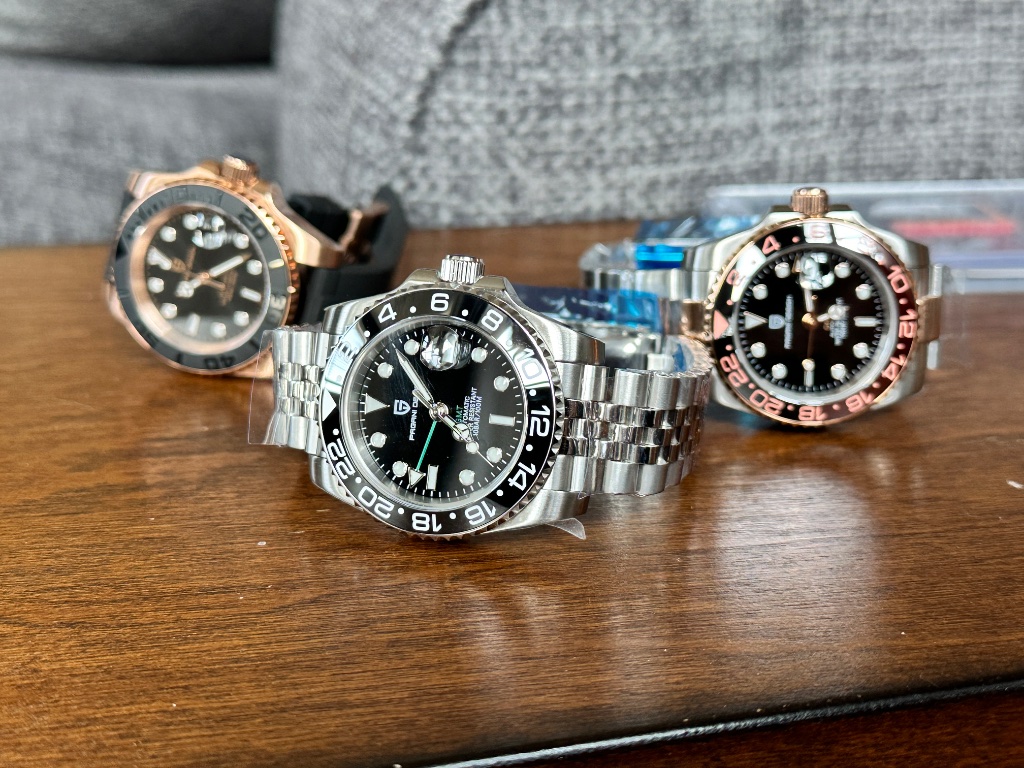

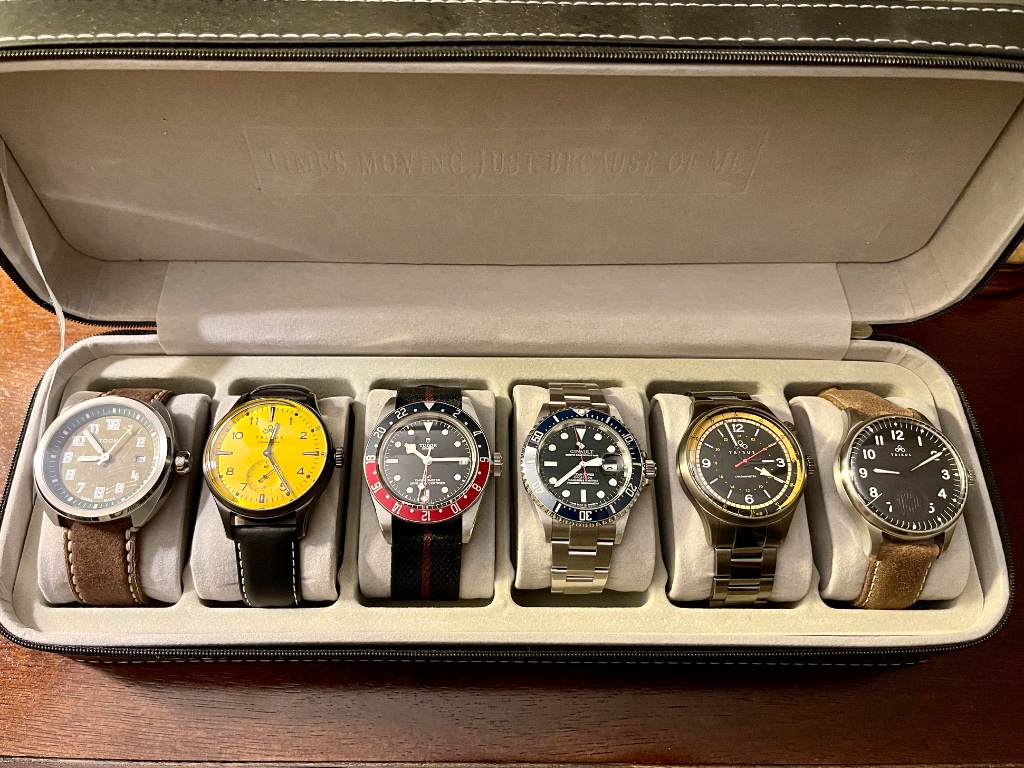


Collecting watches can begin with almost anything: a Seiko 5 bought on a whim, a Hamilton Khaki inherited from a parent, a Baltic spotted online late at night and impossible to forget. What starts as attraction to an object often becomes something richer, a way of paying attention. To collect watches well is not simply to accumulate references. It is to build a personal world of design, mechanics, memory, and taste.
For newer enthusiasts, that can feel daunting. The modern market is crowded with heritage reissues, independent makers, microbrands, speculative hype, and endless advice about what one “should” buy. Seasoned collectors face a different challenge: how to keep a collection alive and meaningful once the easy acquisitions are behind them. In both cases, the answer is less about price and more about character.
A collection should tell a story
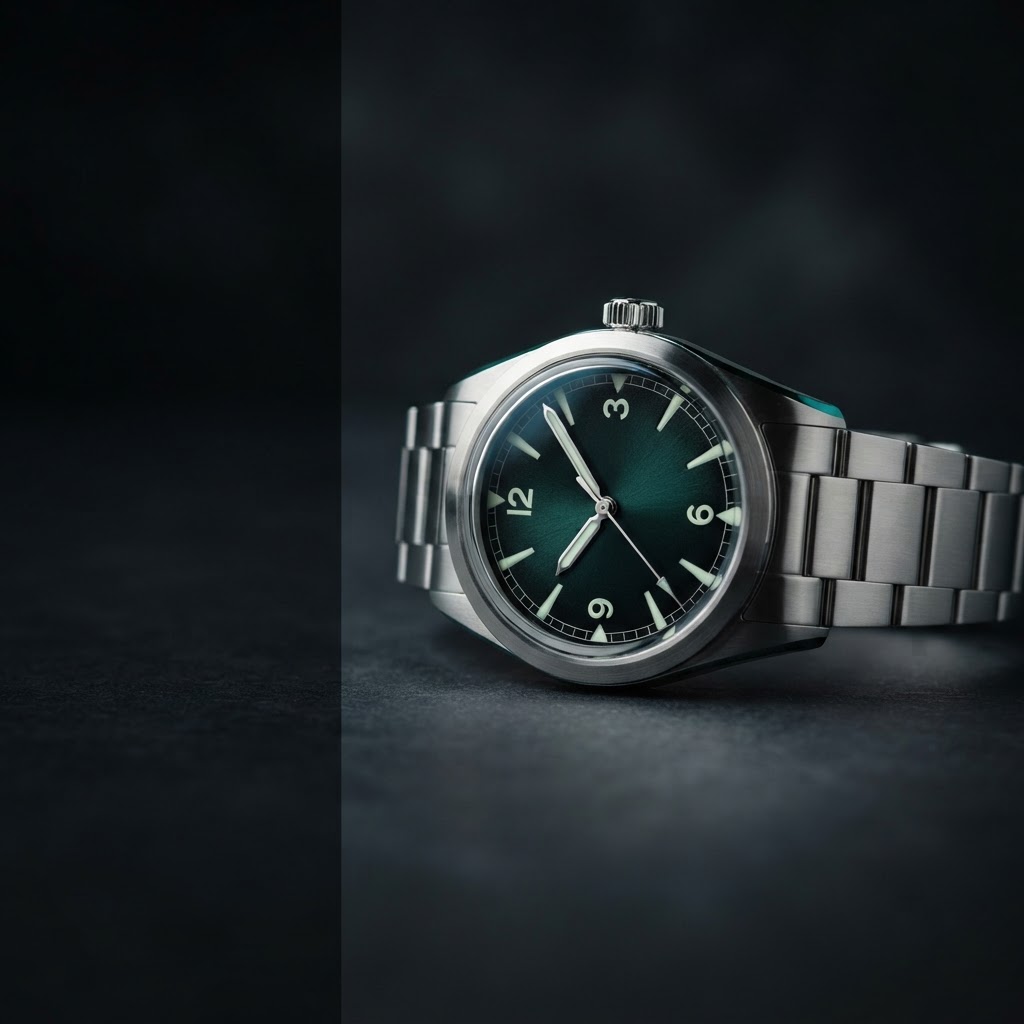
The most memorable collections are rarely the most expensive. They are the ones with a point of view.
A watch collection gains depth when each piece earns its place. That might mean a field watch, a diver, a dress piece, and a chronograph, but category alone is not enough. A thoughtful collection says something about what you respond to. Perhaps you are drawn to the practical clarity of German-inspired tool watches, the mid-century warmth of sector dials, or the ingenuity of Japanese movements. Perhaps your collection revolves around travel, military history, integrated bracelets, or the quiet charm of hand-wound calibers.
This is why a Hamilton Khaki Field Mechanical and a Farer three-hander can coexist so beautifully. On paper, they may seem to occupy nearby territory. In practice, one speaks in the language of military utility; the other often leans into color, typography, and contemporary British design. The distinction matters. Good collecting is not about avoiding overlap at all costs, but understanding the nuances that make overlap interesting.
Start with curiosity, not status
One of the healthiest instincts in collecting is to buy watches that genuinely intrigue you before you buy watches that merely impress other people.
There is no shame in admiring prestige. Great names are great for a reason. But if every purchase is outsourced to consensus, the collection begins to feel generic, even when the watches are objectively excellent. The collector who spends time with a Citizen Series 8, a Formex Essence, or a Venezianico diver because the finishing, architecture, or value proposition truly fascinates them is often building better long-term taste than the person chasing whatever is currently difficult to obtain.
This is especially true in the world of microbrands. Brands such as Mitch Mason and NEUTRA have shown how much personality can exist outside the largest Swiss houses. They may not carry a century of institutional prestige, but they often deliver crisp design thinking, strong specifications, and a refreshing sense of enthusiasm. For many collectors, these watches become important not because they are rare trophies, but because they capture a moment when the collector’s eye became more independent.
Learn movements, but do not worship them blindly
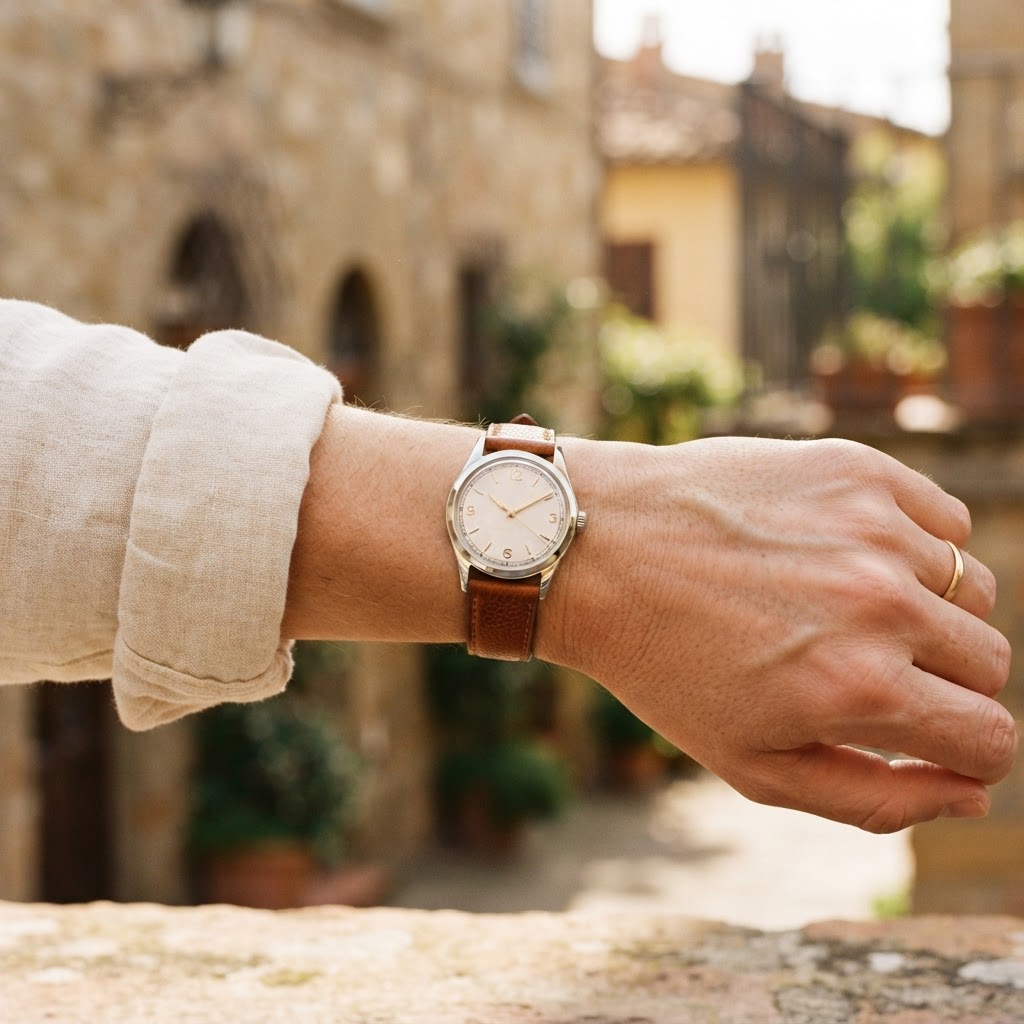
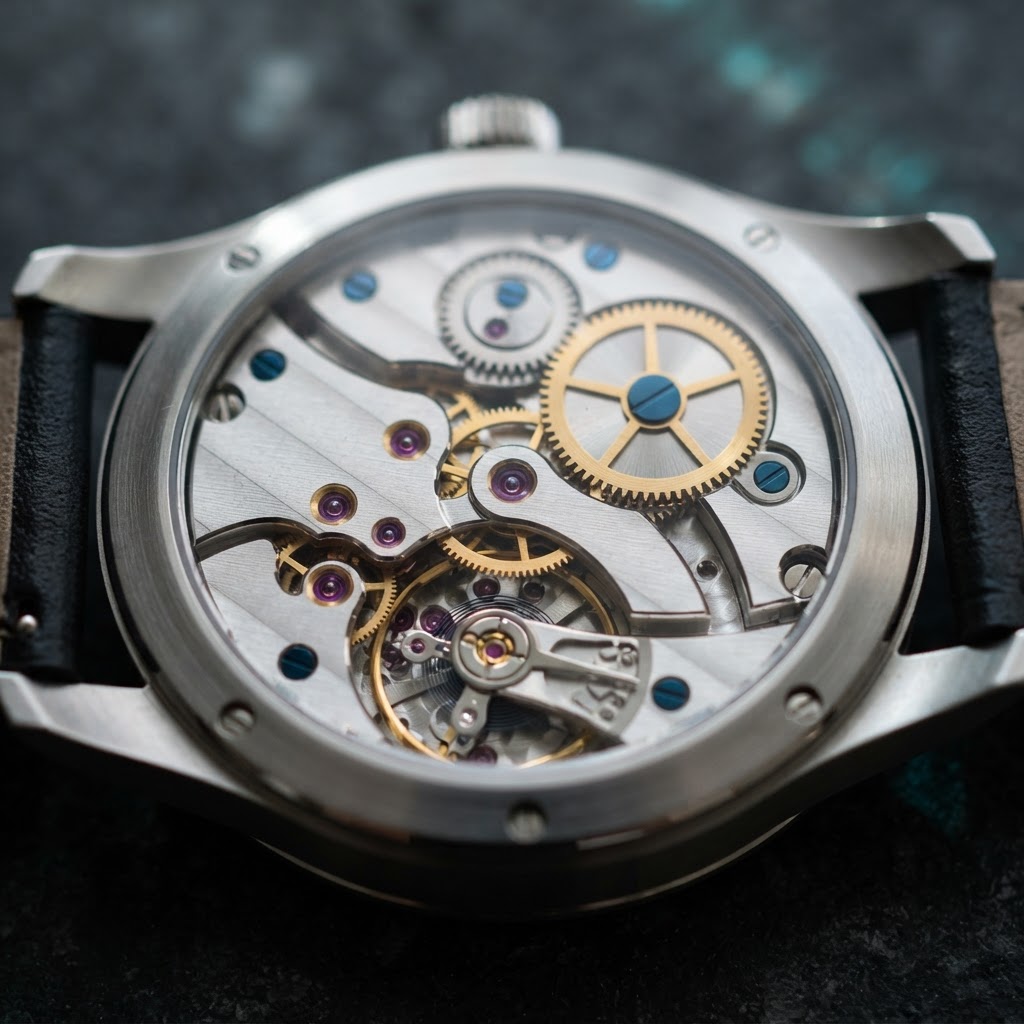
At some point, every collector goes deeper into calibers. This is a good thing. Understanding movements sharpens appreciation.
The difference between an ETA 2824, a Sellita SW200, a Miyota 9039, and a Seiko NH35 is not academic trivia. It affects thickness, winding feel, serviceability, accuracy expectations, and sometimes the entire personality of the watch. A hand-wound Sellita SW210 or a manually wound Seagull-based chronograph can create a much more intimate daily experience than an automatic movement hidden behind a sealed caseback.
But movement knowledge should serve discernment, not snobbery. There are collectors who dismiss robust workhorse calibers too quickly, forgetting that reliability is part of the romance of ownership. Seiko’s 6R family, Citizen’s Miyota movements, and tried-and-true Swiss automatics continue to underpin genuinely satisfying watches. A movement does not need to be exotic to be worth owning. What matters is whether it suits the watch and whether the watch as a whole feels coherent.
Patina, wear, and the dignity of use
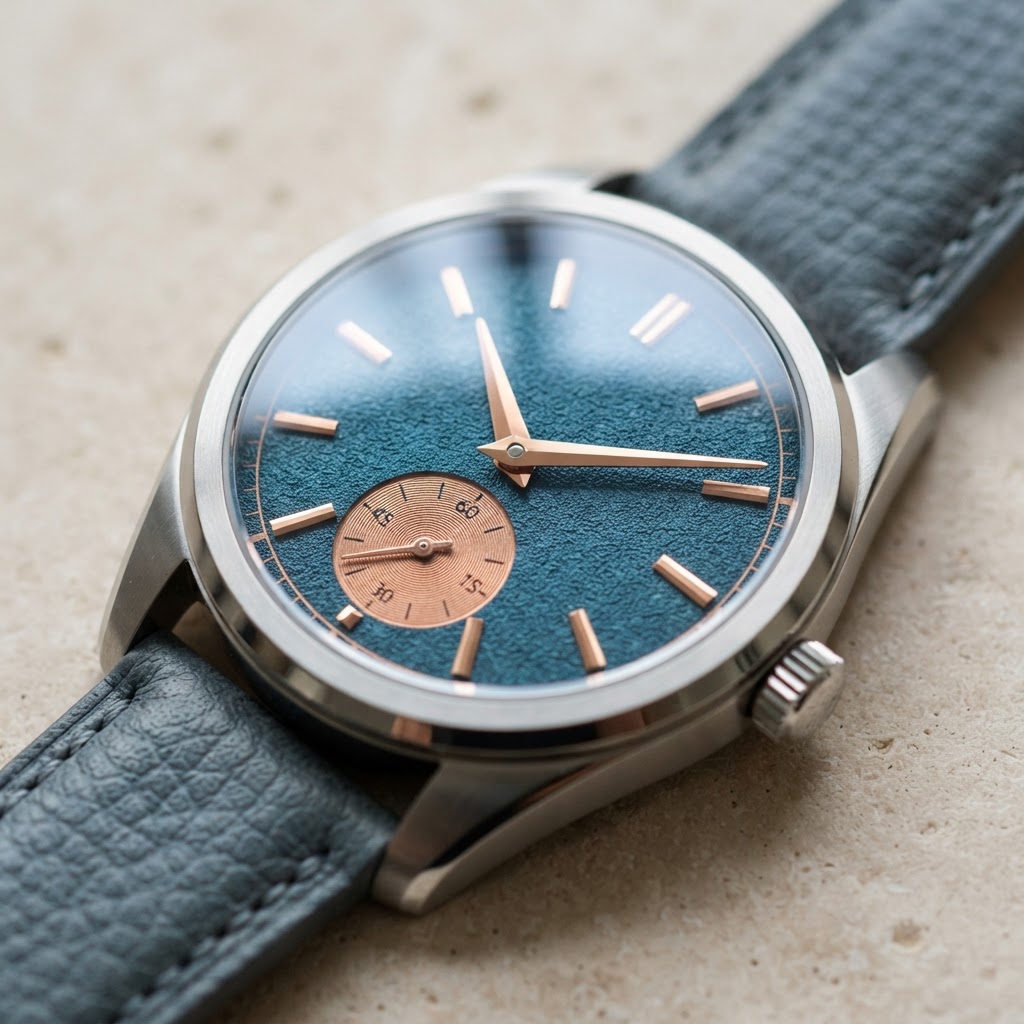
A mature collector eventually makes peace with wear. Not every scratch is damage; sometimes it is context.
This does not mean carelessness. Watches deserve respect, and proper servicing, moisture checks, and sensible storage are all part of stewardship. But many collectors spend too long trying to preserve every piece in theoretical “future value” condition, only to realize they have denied themselves the pleasure of living with the object.
A Seiko diver that picks up bezel wear on summer trips, a Hamilton field watch whose strap darkens over time, or a well-worn chronograph with softened edges can acquire a kind of emotional finish no factory can replicate. Patina should never be forced, but when it arrives honestly, it gives a collection humanity.
Edit ruthlessly, collect patiently
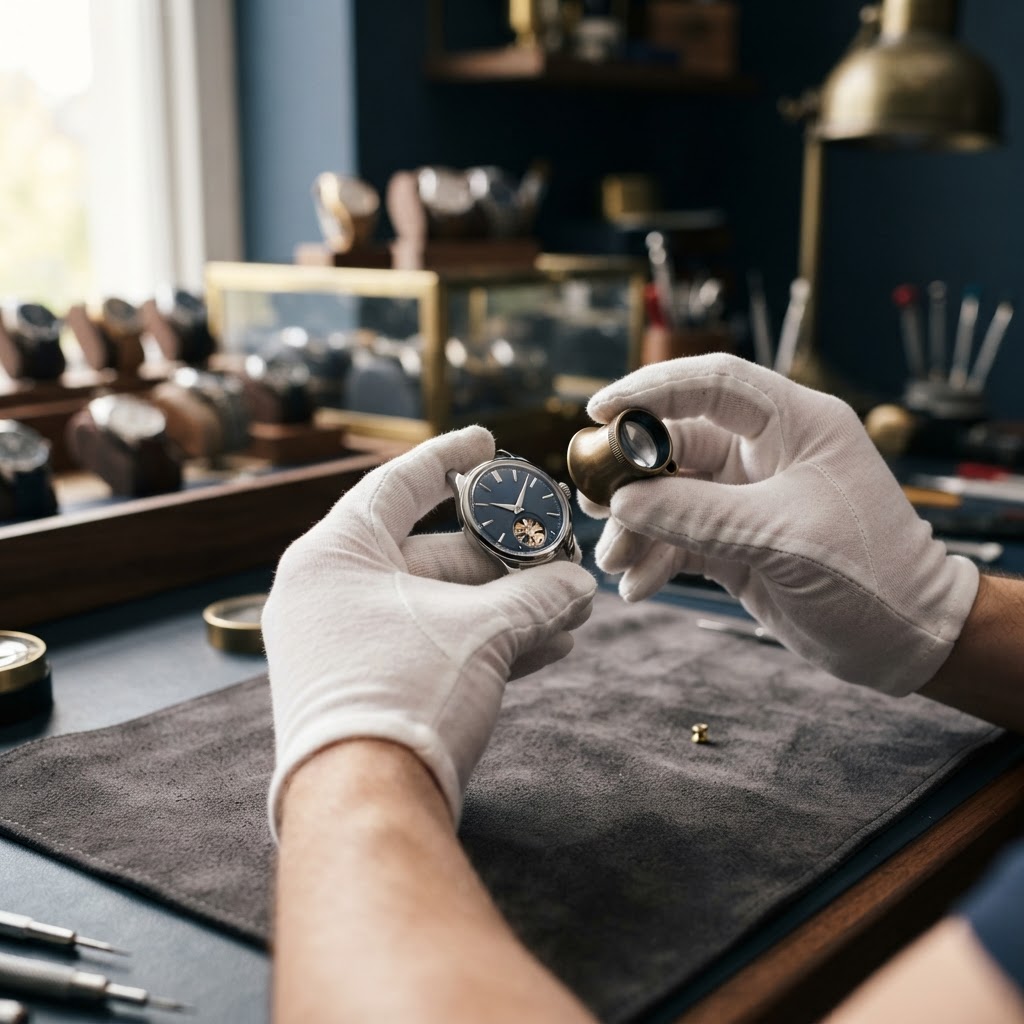
One of the most underrated skills in horology is restraint.
A collection gains character not only through what enters it, but through what stays out. Impulse buying is easy in a market that constantly offers novelty. The harder discipline is to leave room for watches that reveal themselves slowly. Sometimes a piece that seemed unremarkable at first, a simple no-date diver, a modest dress watch, a clean three-hander, becomes more compelling over months of consideration than a louder watch that burns brightly and fades.
Many experienced collectors eventually become editors of their own collections. They sell pieces that no longer resonate. They notice redundancies in dial color, case shape, or use case. They realize they do not need five versions of the same idea. This process is not a failure of judgment; it is evidence of developing taste.
Patience also protects against the intoxicating logic of hype pricing. Very few watches are worth panic. If a watch is truly right for you, there is often another path to it, later, pre-owned, or after the noise has settled.
Buy the watch, yes, but also buy the context
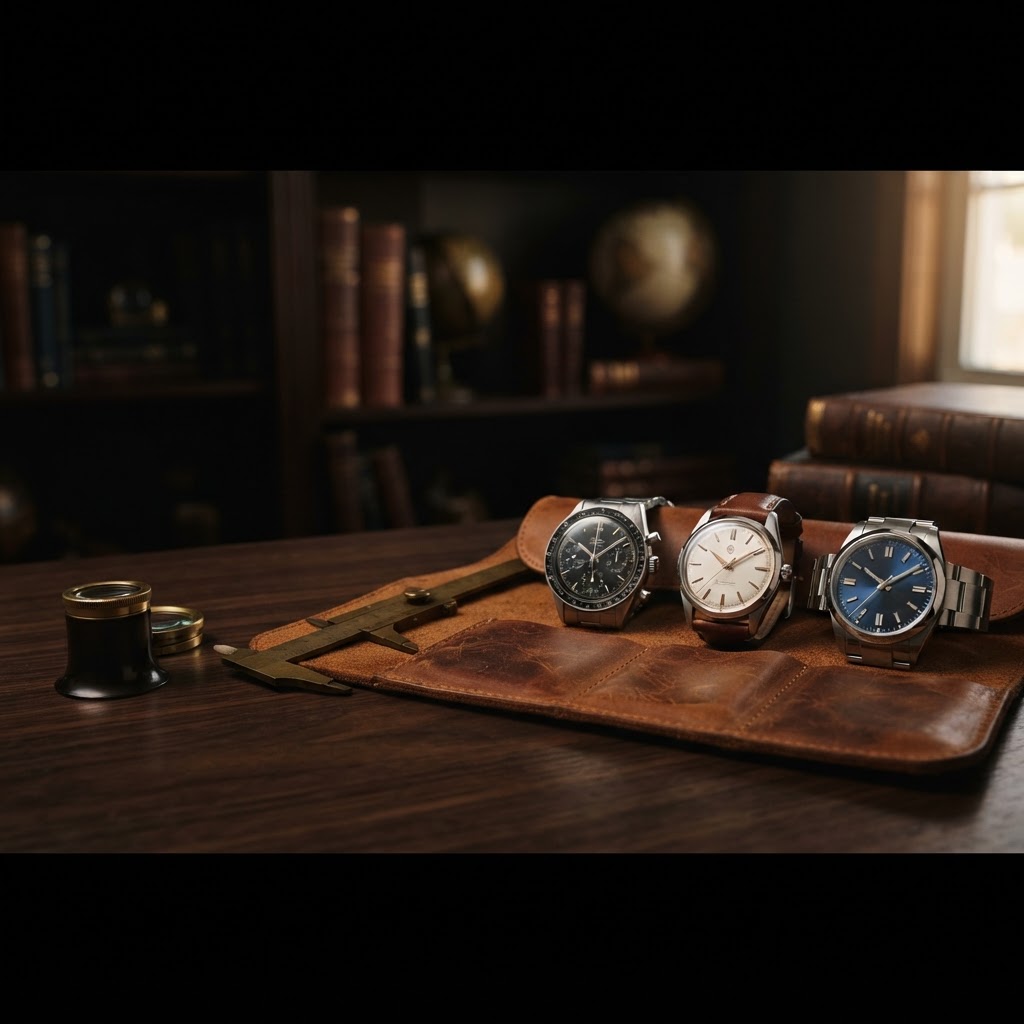
Some watches stay because of specifications. Others stay because of the life around them.
Collectors remember where they were when they bought a first mechanical watch. They remember the friend who taught them how to size a bracelet, the trip on which a GMT became indispensable, the evening spent comparing the click of a bezel against another enthusiast’s favorite diver. In this sense, collecting is never purely material. The watches are real, but so are the rituals and relationships attached to them.
That is why community matters. A watch can change in your eyes after a good conversation with someone who notices a detail you missed: the depth of a sandwich dial, the shape of a lug transition, the unusual confidence of a handset. Forums, meetups, collector circles, and club exchanges often refine taste more effectively than any advertisement ever could.
The watches worth keeping
In the end, the best collections are not optimized portfolios. They are lived-in, evolving reflections of attention.
A strong collection may include a dependable Seiko, a historically grounded Hamilton, a playful Baltic, an impressively engineered Formex, a sharply considered Farer, or a microbrand that marks the moment your collecting became more personal. The exact mix is less important than the sensibility behind it. If the watches in your box continue to teach you something, about design, mechanics, history, or yourself, then the collection is doing what it should.
That, perhaps, is the deepest pleasure of collecting: not ownership alone, but the gradual shaping of taste through time. And like all the best pursuits in horology, it becomes even more rewarding when shared with people who understand why one watch can stay with us for years while another quietly moves on to the next wrist.