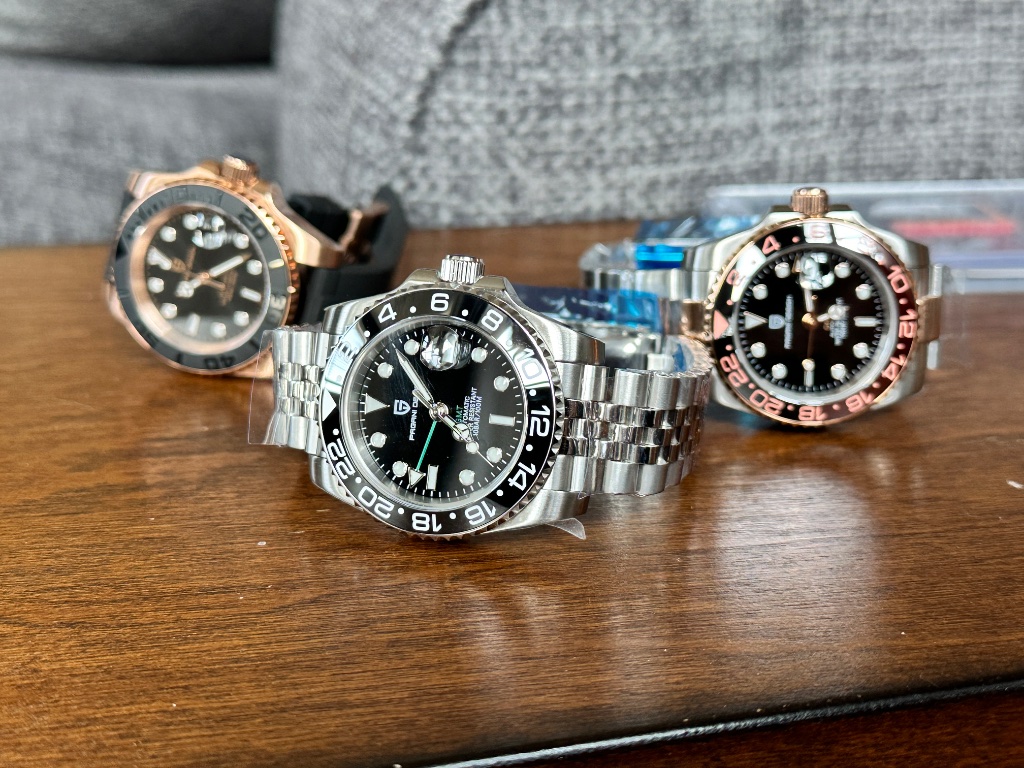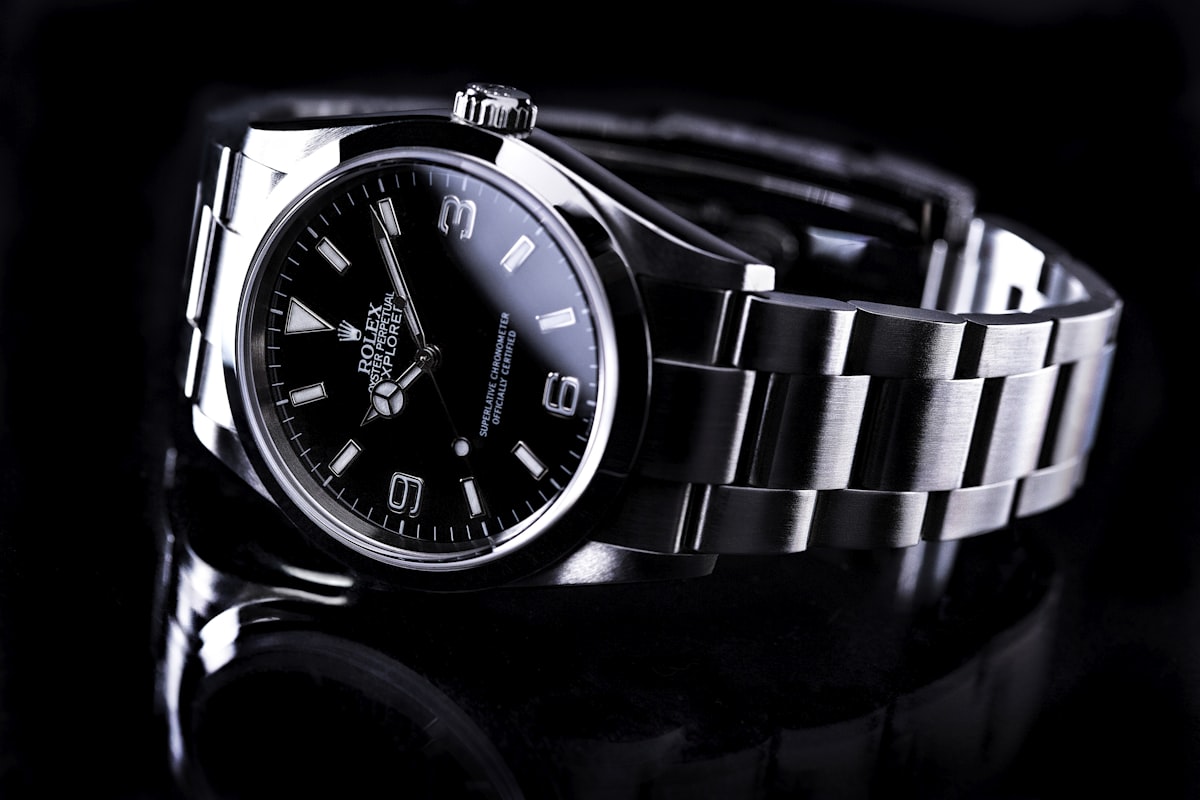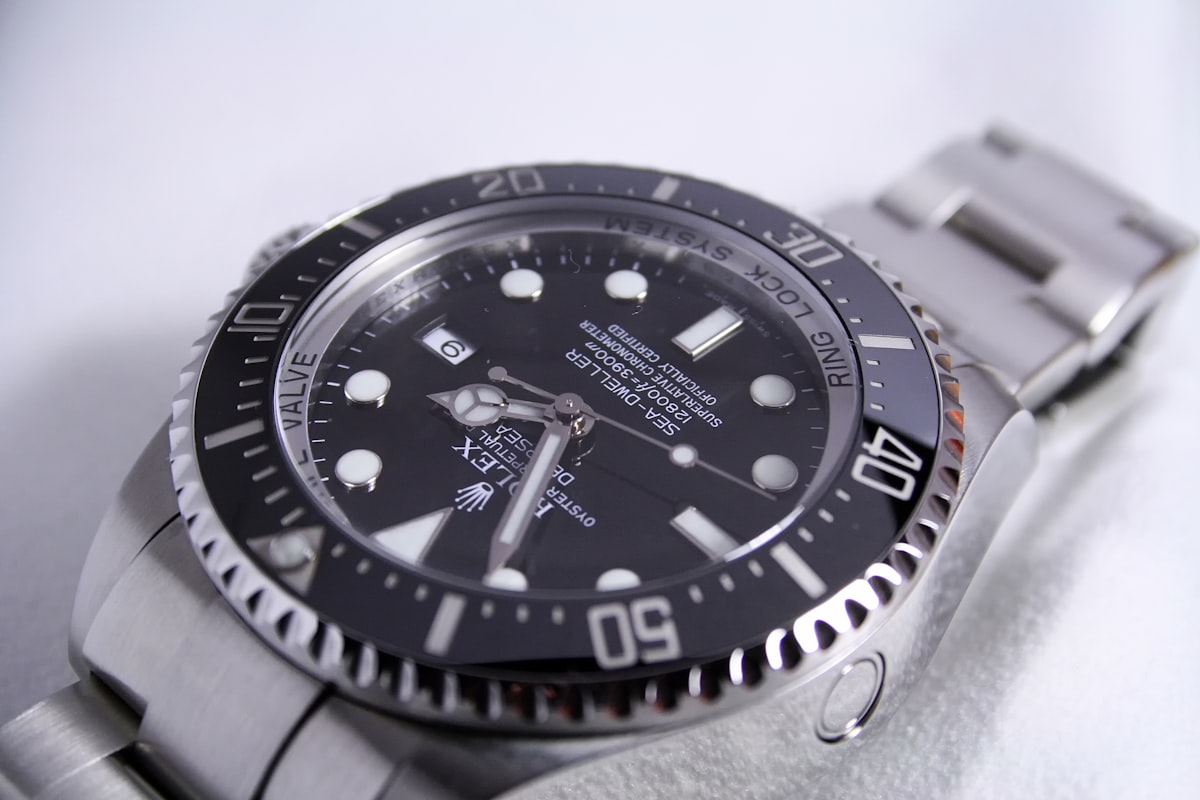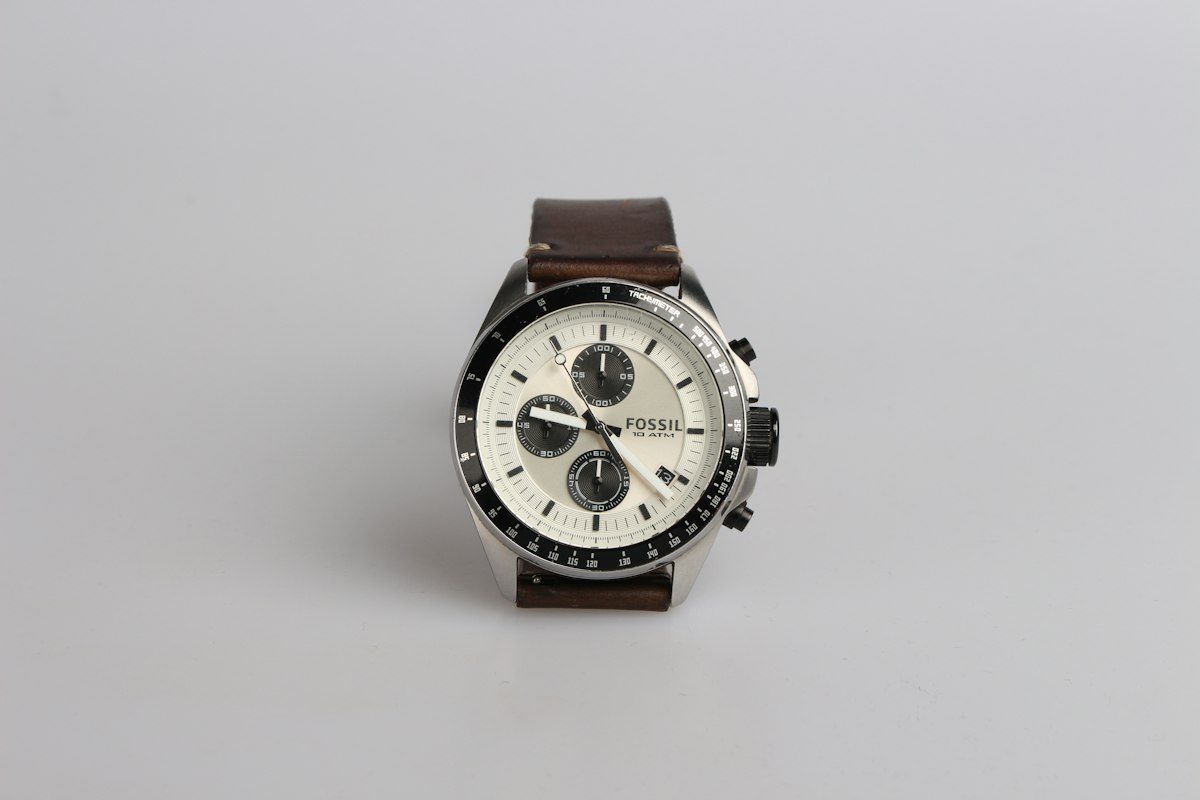

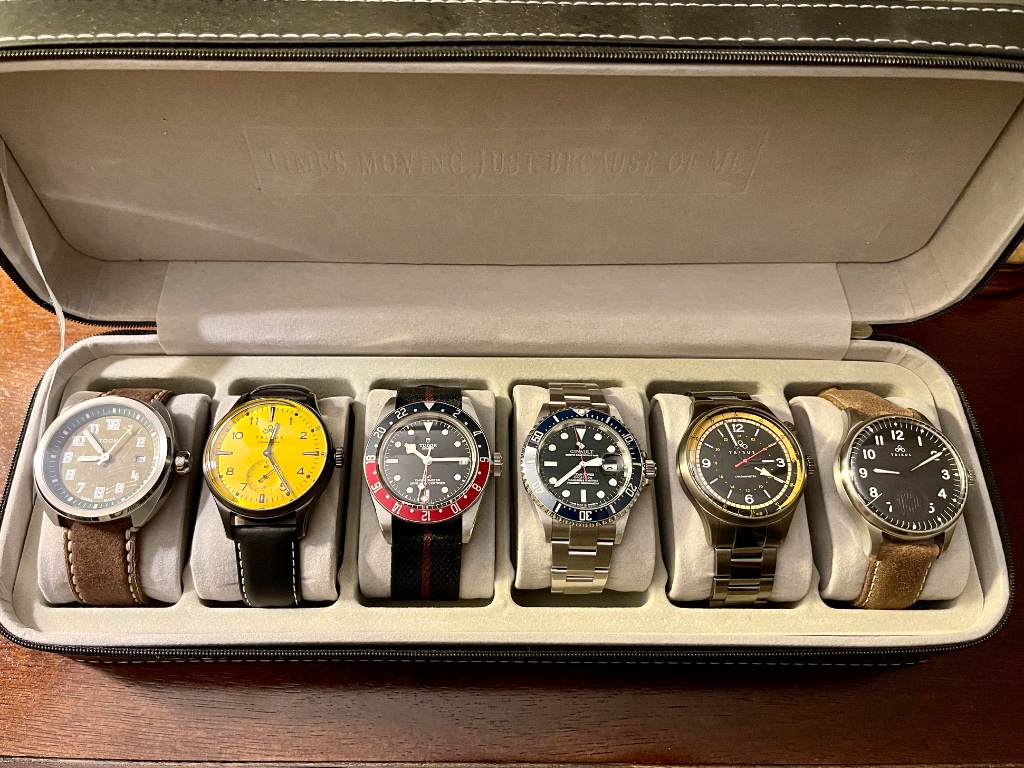

Collecting watches can begin with almost anything: a Seiko 5 bought on a whim, a Hamilton Khaki Field inherited from a parent, a Citizen Promaster picked up before a summer of diving, or a microbrand discovered late at night after falling down an enthusiast forum rabbit hole. However it starts, the deeper appeal is rarely about accumulation alone. The best collections are not simply bigger over time. They become more coherent, more personal, and more revealing of the collector behind them.
For newcomers, that can be a reassuring thought. You do not need to buy expensively or quickly to collect well. And for seasoned enthusiasts, it is a useful reminder that refinement often matters more than expansion. In horology, character is built through judgment.
A collection should tell a story
The most memorable watch collections have a point of view. That does not mean they must follow a rigid theme, but they usually reflect a sensibility. Some collectors are drawn to military and field watches, moving from a Hamilton Khaki Mechanical to a Tudor Ranger and perhaps a vintage Benrus or CWC. Others are captivated by mid-century dress watches, learning the quiet pleasures of a hand-wound piece with a slim case and a clean dial. Still others build around tool-watch pragmatism, with divers, GMTs, and chronographs that feel ready for anything.
A story can also emerge through brand philosophy. One collector may be fascinated by Japanese engineering, pairing Seiko and Grand Seiko with Citizen’s high-accuracy quartz and perhaps a Kurono Tokyo for contrast. Another may enjoy independent spirit and modern design, moving between Baltic, Farer, Formex, and Venezianico. None of these approaches is inherently better. What matters is that the collection becomes intentional rather than accidental.
If a watch box looks random, it may simply mean the collector is still learning what truly resonates. That is part of the process. Taste in watches is not fixed at the beginning; it is discovered through wear.
Buy curiosity before status
One of the healthiest instincts in collecting is to follow genuine curiosity. Status-driven buying tends to date quickly, while interest-led collecting has a way of deepening over time. A collector who spends a month reading about the ETA 2824, Sellita SW200, and Miyota 9000 series will often end up appreciating watches on a more durable level than someone chasing whatever is currently fashionable.
This is one reason accessible brands matter so much. A Baltic HMS or Aquascaphe can teach proportion and vintage-inflected design. A Formex Essence can reveal just how much innovation and finishing can exist below the usual luxury threshold. A Farer GMT can demonstrate how bold color, if used intelligently, adds joy rather than gimmickry. Even the humble Seiko 5 Sports remains one of the great educational watches because it places mechanics, design language, and daily wearability into immediate conversation.
Microbrands deserve particular respect here. Enthusiast-led companies such as Mitch Mason and NEUTRA often produce watches with a level of specificity that larger brands can struggle to match. They are not trying to please everyone. They are trying to execute a clear idea well. For a collector, that can be refreshing. It sharpens the eye.
Learn the difference between price and value
An important collecting lesson arrives when you realize that expensive does not automatically mean meaningful, and affordable does not mean lesser. Value in watches is layered. It can come from movement architecture, finishing quality, historical significance, originality of design, or simply the frequency with which a watch makes you want to wear it.
Take the Hamilton Khaki Field Mechanical. It is not complicated, rare, or precious. Yet it offers historical continuity, excellent legibility, honest proportions, and the tactile pleasure of hand-winding. It feels grounded. The same can be said of many Citizen references, especially in Eco-Drive form, where practical ownership and technical maturity create a kind of everyday luxury too often overlooked.
At the higher end, value may show up in less obvious ways. A watch powered by an El Primero, an Omega with a co-axial movement, or a Grand Seiko with Spring Drive invites a different kind of appreciation, one rooted in technical thought and brand identity. The point is not to rank them against an affordable field watch. The point is to understand what each offers on its own terms.
Collectors who learn this early tend to buy fewer watches they regret.
Wearability is wisdom
A watch can be beautifully photographed and still fail in real life. This is why experienced collectors ask practical questions that beginners often overlook. How does the case sit on the wrist? Does the lug-to-lug length suit daily wear? Is the bracelet comfortable for long hours? Does the crown dig into the hand? How legible is the dial in poor light?
These details sound mundane until you own enough watches to know they are not. A perfectly balanced 38mm to 40mm case can become indispensable, while a technically impressive watch with awkward ergonomics may spend most of its life in the box.
This is also where trying different categories matters. A dress watch teaches restraint. A diver teaches robustness. A GMT teaches utility. A chronograph teaches dial complexity and movement thickness. By wearing across categories, you begin to understand not only what you admire, but what you actually live with happily.
Edit without guilt
Many collectors eventually discover that building a good collection also requires subtraction. Selling or trading a watch is not failure; it is refinement. In fact, a collection that has been edited usually feels more intentional than one that has only expanded.
There is wisdom in asking a simple question: if this watch disappeared tomorrow, would I miss wearing it or only miss owning it? The answer can be clarifying. Some watches are important because they mark an occasion or a chapter in life. Others once served a purpose in your education as a collector, then quietly outlived it.
A thoughtful collection often includes both keepers and stepping stones. The key is knowing the difference.
Let time shape your taste
The strongest collections are rarely assembled in a rush. They are built through seasons of attention. A watch you dismiss today may become deeply appealing a year from now after you have learned more about case architecture, dial finishing, or movement lineage. Likewise, a model that seems irresistible on release may lose its charm once the initial excitement fades.
Patience is one of the great advantages in watch collecting. It helps you avoid impulse purchases, notice patterns in your preferences, and appreciate watches in context rather than in isolation. Over time, you may find yourself caring less about novelty and more about integrity: watches that feel well resolved, emotionally durable, and true to their purpose.
That is when a collection starts to gain real character. Not when it becomes expensive, and not when it becomes large, but when each piece has earned its place.
In the end, collecting watches is a way of learning your own eye. It is an education in mechanics, design, history, and self-knowledge, all carried on the wrist. Whether your collection includes a dependable Seiko, a cheerful Farer, a sharp Formex, or a treasured heirloom from a storied Swiss maison, what matters most is the care with which you choose and the meaning you allow to accumulate around each piece.
And, of course, collecting becomes richer when those choices are shared. The right community has a way of turning private enthusiasm into lasting conversation — the kind every good watch deserves.