

The difference between owning watches and building a collection
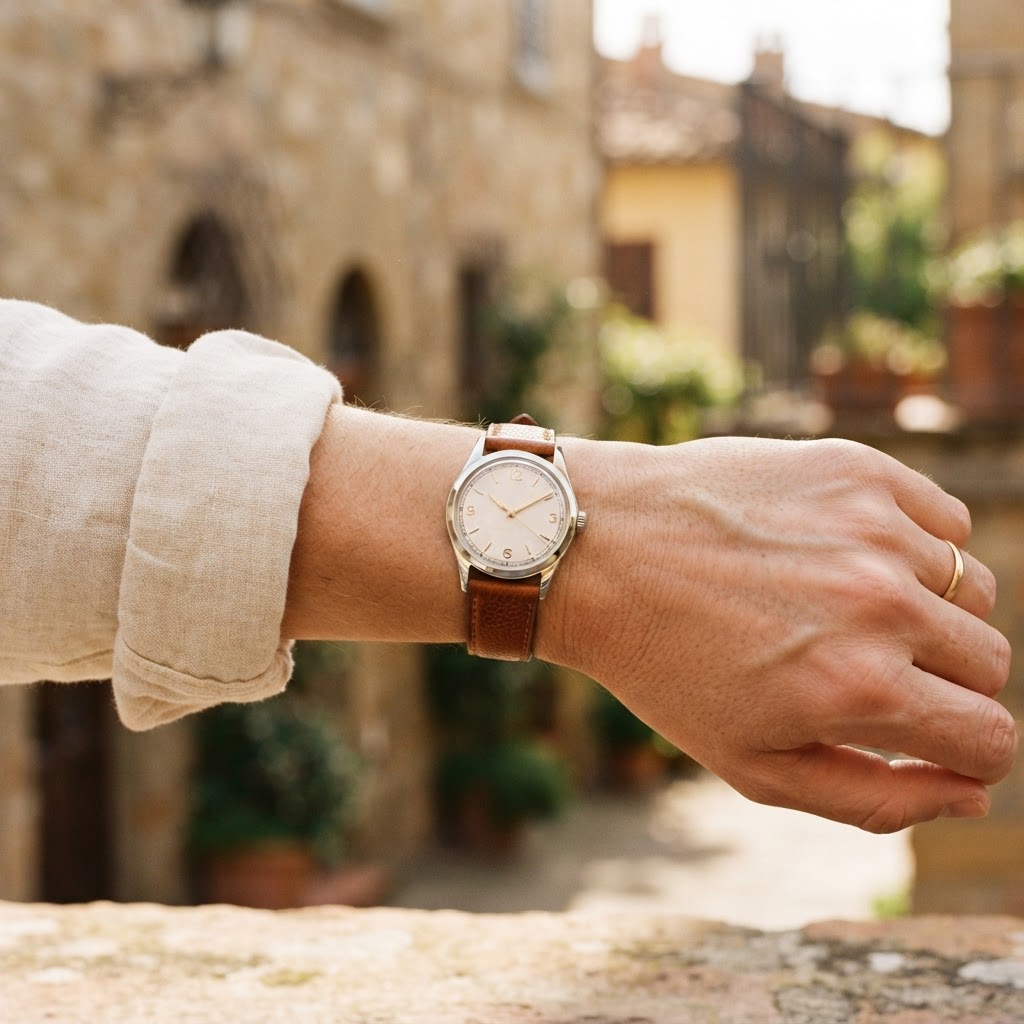
Every collector eventually discovers the same truth: a watch collection is not just a row of objects, but a record of taste becoming clearer over time.
That realization rarely arrives at the beginning. Most of us enter watch collecting culture through enthusiasm before discernment. We fall for the obvious things first: the famous names, the most discussed releases, the pieces everyone seems to agree are “must-haves.” There is no shame in that. A Hamilton Khaki Field Mechanical, a Seiko 5 Sports, or a Citizen Tsuyosa has introduced countless people to the pleasures of design, engineering, and daily wear. Good gateway watches exist for a reason.
But the shift from buyer to collector happens when the question changes. Instead of asking, “What should I get next?” you start asking, “What am I actually drawn to?”
That is where collecting becomes more interesting, and far more personal.
Hype fades faster than a meaningful choice
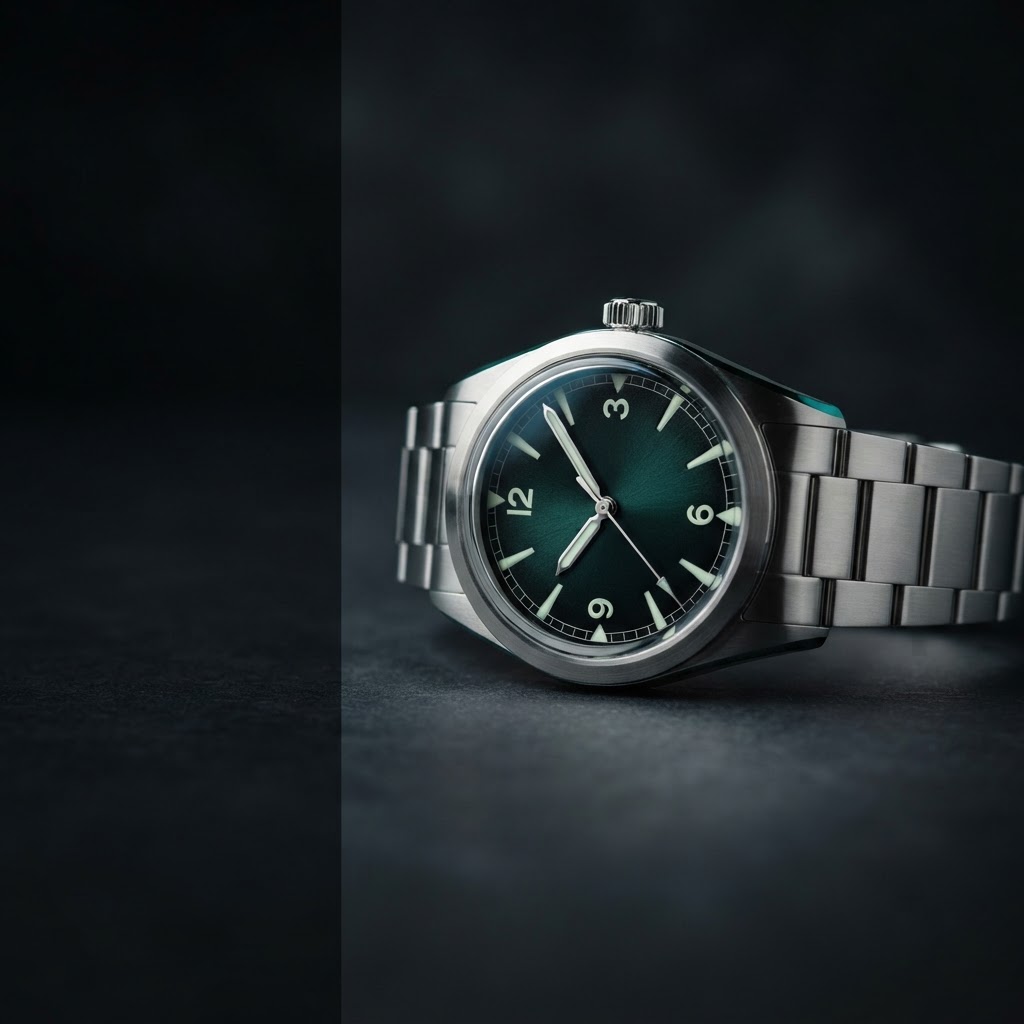
The watch world is unusually vulnerable to momentum. Social media accelerates trends, forums canonize certain references, and new releases arrive with the language of urgency. It is easy to confuse visibility with value.
Yet the watches that endure in a collection are often the ones chosen for quieter reasons. A Baltic MR01 may stay because its sector dial and compact elegance evoke a kind of vintage restraint you never tire of. A Farer three-hander might remain because the color feels alive in a way most brands are too cautious to attempt. A Formex Essence can earn long-term respect not because it is loud, but because its case finishing, comfort, and engineering reward daily ownership.
In other words, watches outlast hype when they align with identity.
Seasoned collectors know this instinctively. They may admire a Rolex GMT-Master II or an Omega Speedmaster Professional, but admiration does not always translate into belonging. Some iconic watches are best appreciated from a distance. Others feel right the moment they touch the wrist, even if they are less obvious choices.
That is why some collections become memorable not through market value, but through coherence. You can sense when a collector knows their own eye.
Personal taste is built, not discovered all at once
There is a romantic idea that collectors simply “have” taste from the start. In reality, taste is cultivated through exposure, mistakes, and repetition.
A beginner might buy a diver, then another diver, then a third, before realizing what they actually love is proportion rather than category. Someone else may think they are chasing heritage, only to learn they respond more to typography, movement decoration, or the tactile pleasure of a well-made bracelet.
This is one reason microbrands matter so much in modern horology. They give collectors a laboratory for taste. Brands like Mitch Mason, NEUTRA, and Venezianico often explore design ideas with a freshness that larger companies cannot always risk. They are not simply lower-priced alternatives to mainstream luxury; at their best, they are instruments of self-discovery for enthusiasts.
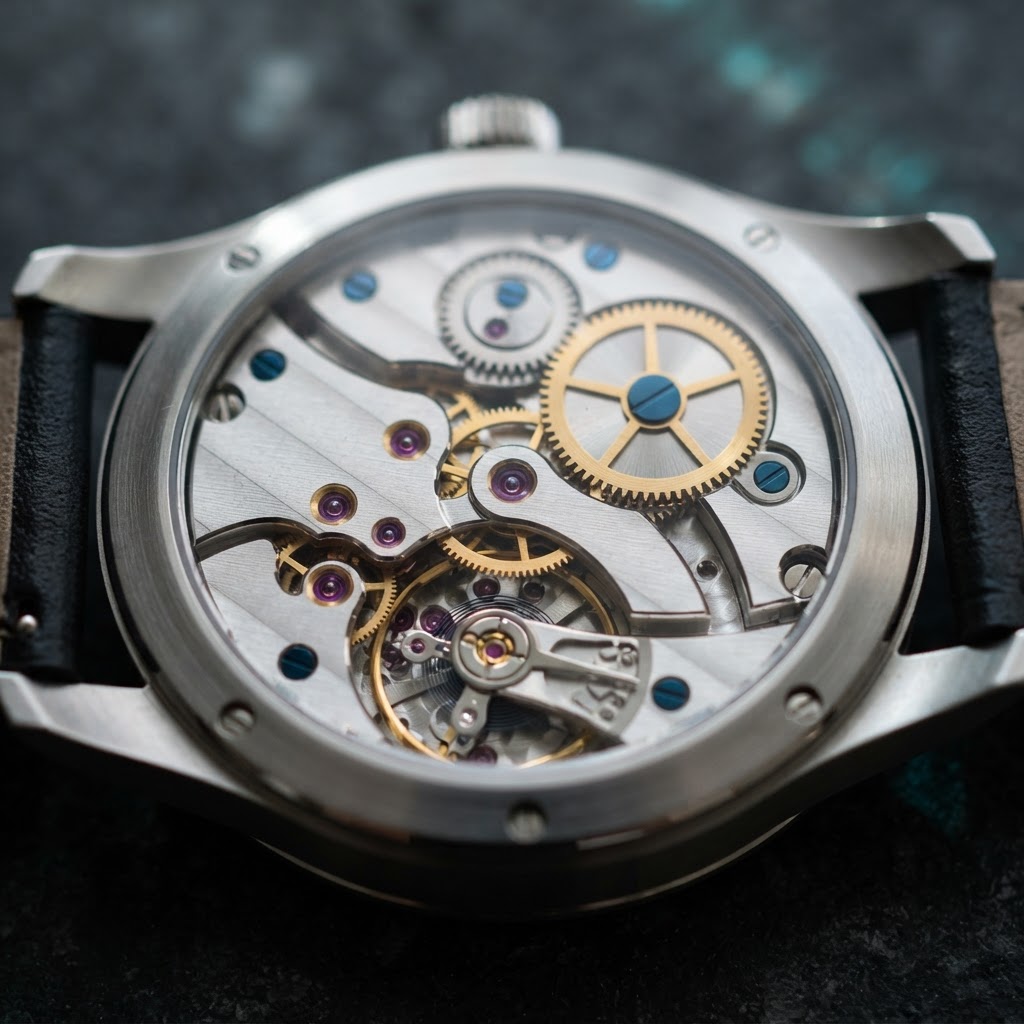
The same is true mechanically. A collector may begin with the reliability of a Seiko NH35 or Miyota 9015, then develop an interest in the smoother sweep and slimmer profile of an ETA 2824 or Sellita SW200. Later, perhaps, they become fascinated by hand-wound movements, the ritual of a Hamilton H-50 or the visual charm of a display back revealing decorated calibers. These preferences do not emerge fully formed. They accumulate.
The most satisfying collections have texture
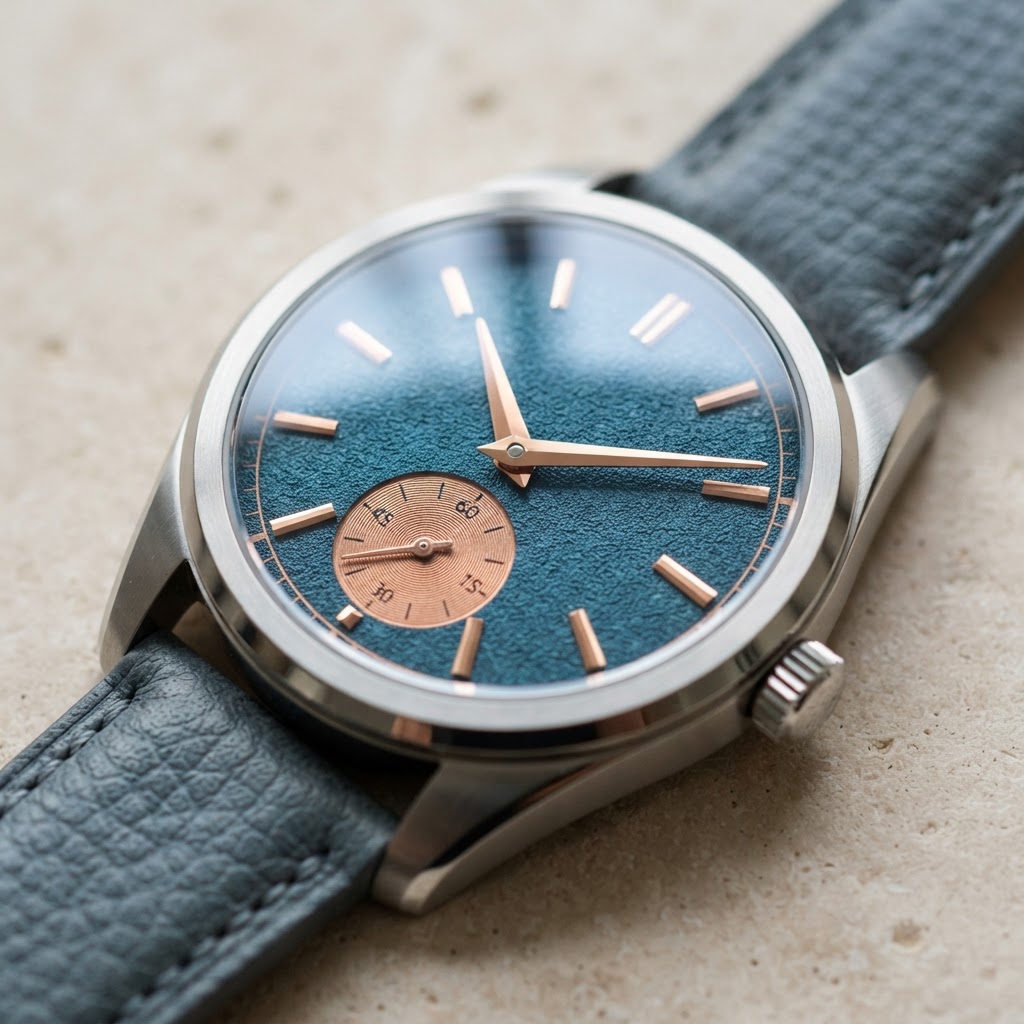
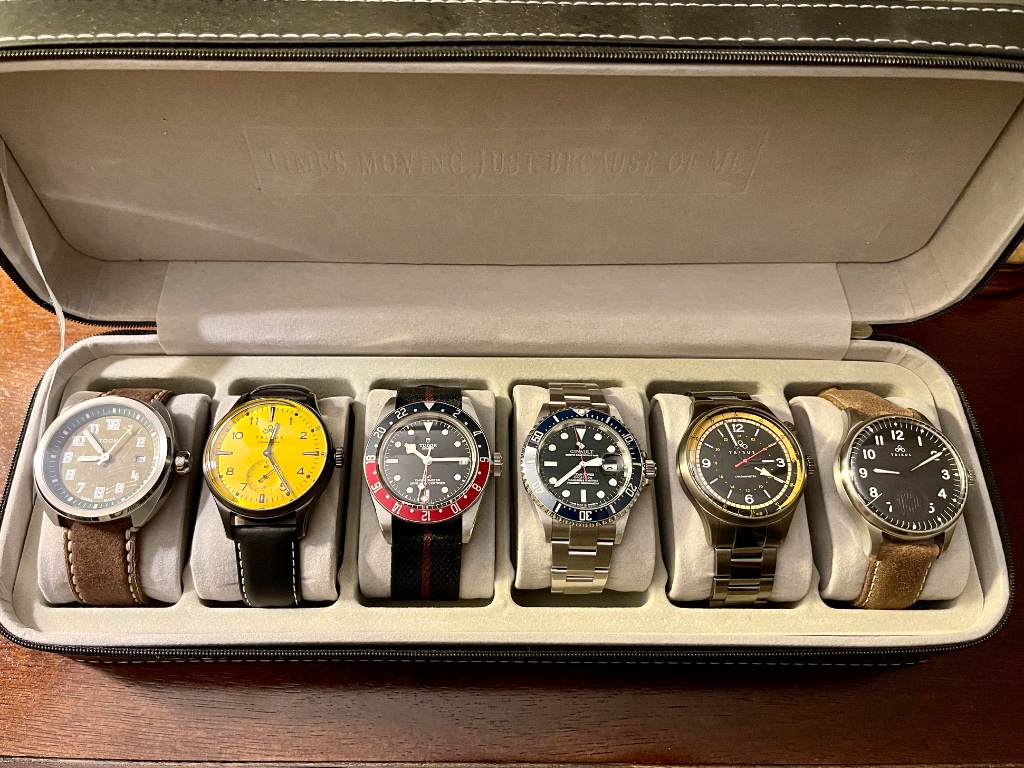
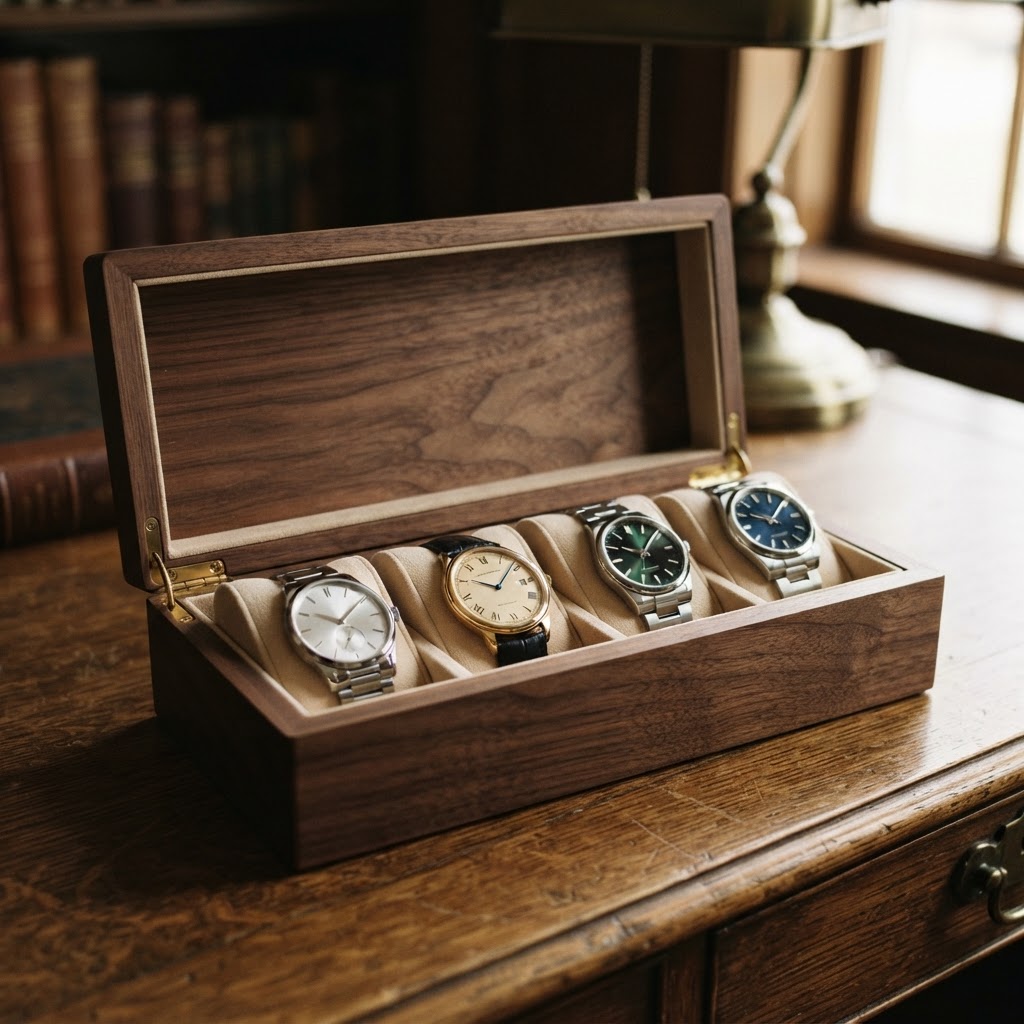
A compelling watch collection rarely consists of twelve versions of the same safe decision. It has texture: different moods, different eras of interest, different reasons for being.
Texture does not mean chaos. It means contrast with intention.
A Seiko SPB143 might sit alongside a dressier piece like the Baltic MR01. A robust Citizen Promaster diver can coexist with a playful Farer because each serves a different emotional register. One watch marks the everyday; another marks the moment you want to feel slightly more composed, slightly more attentive to detail. A field watch, a chronograph, a slim dress watch, a quirky microbrand GMT, these can form a conversation rather than a checklist.
Collectors often improve their collections not by buying more, but by recognizing redundancy. If three watches occupy the same emotional space, one may be enough. Selling, trading, or simply pausing can be as important as acquiring.
This is an underrated kind of collector wisdom: editing is part of taste.
What experienced collectors notice that beginners often miss
With time, attention shifts away from specification sheets alone. Water resistance, movement origin, and power reserve matter, of course, but long-term satisfaction often comes from subtler qualities.
Proportion is one. A 38mm case with a balanced lug-to-lug can wear better than a technically impressive 42mm watch that never settles on the wrist. Finishing is another. The crisp transition between brushed and polished surfaces, the shape of hands under changing light, the legibility of a dial at a glance, these details become more important the longer you collect.
So does emotional durability.
Ask yourself a simple question before buying: will this watch become more interesting after six months of regular wear, or less? Some pieces reveal more as they age with you. Others deliver their entire appeal in the first week.
This is where trying watches in person, when possible, remains invaluable. Photos flatten reality. The warmth of a cream dial, the way a domed crystal distorts at the edge, the sound of a winding action, the feel of a bracelet clasp, none of these are fully conveyed online.
And when in-person is not possible, good collecting discipline helps. Read owner impressions, not just release coverage. Look at wrist shots on ordinary people. Pay attention to what owners say after a year, not a day.
A collection should reflect a life, not just a market
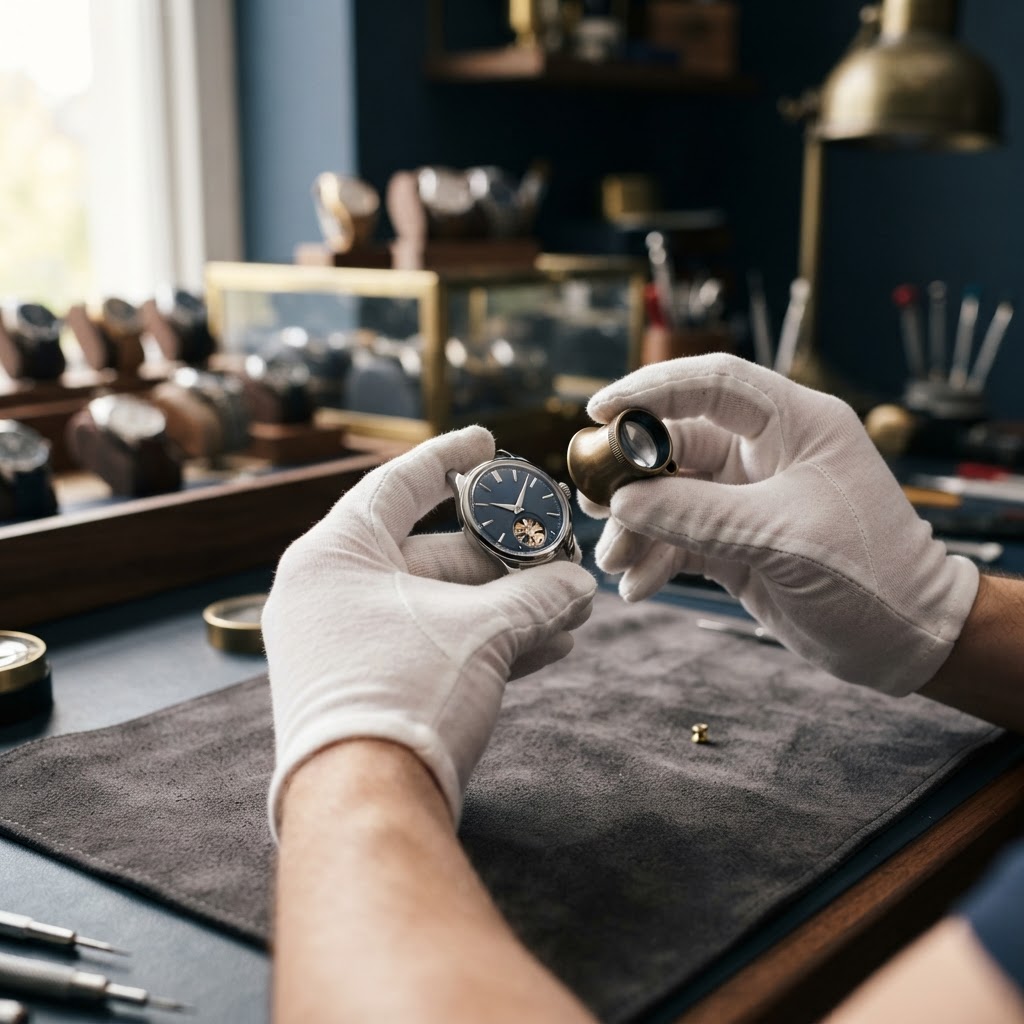
The best collections carry biography. They remember promotions, travels, obsessions, milestones, and changing tastes. One watch recalls the year you first learned the difference between a monopusher and a bicompax layout. Another marks the moment you finally understood why a simple three-hander can be more elegant than a complicated dial.
That is why “value” in watches can never be purely financial. Of course, price matters. Budget matters. Sensible buying matters. But a watch that gets worn, remembered, and loved has already delivered a return that spreadsheets cannot measure.
This does not mean abandoning standards. Buy the best quality you can comfortably afford. Learn the strengths and compromises of a movement. Understand service realities. Respect build quality and after-sales support. But leave room for instinct. Horology is both discipline and romance.
In the end, watch collecting culture is healthiest when it makes space for individual taste. There should be room for the collector who saves for a Grand Seiko, the enthusiast who rotates between Seiko and Citizen, and the microbrand devotee who finds joy in the independence of smaller makers. The point is not to win a hierarchy. The point is to build a collection that sounds like your own voice.
And if you are lucky, that voice becomes sharper through conversation, with fellow enthusiasts, with contrasting opinions, with the kind of community that reminds you a great collection is never just about the watches in the box, but about the stories shared around it.